
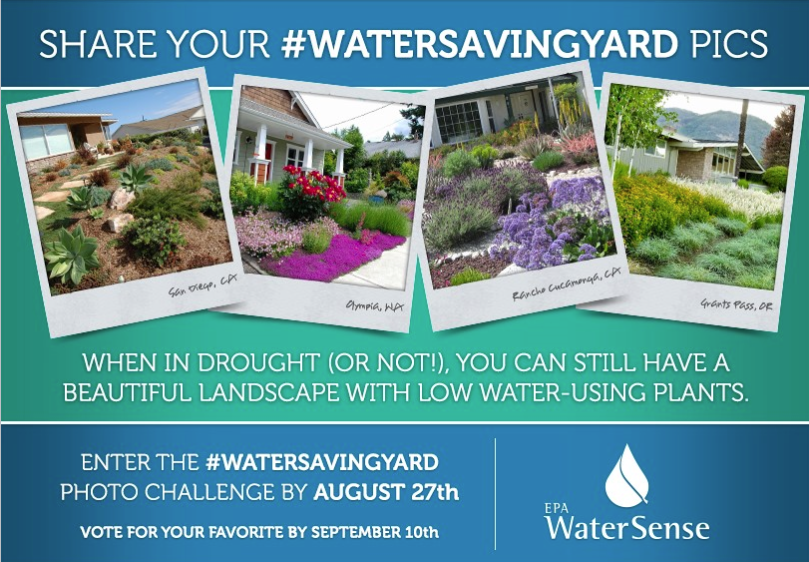
 I hope all of Gardening Gone Wild’s Picture This photo contestants will join me in this EPA challenge. But each of us can only submit one photo, so I hope you will help me choose my entry from the ones below.
Since 2006 the EPA (Environmental Protection Agency) has had a WaterSense program to help raise water efficiency standards in plumbing fixtures, irrigation equipment, and even new homes. Now they are having the The Water Saving Yard photo contest. Let’s contribute and spread the word.
 According to their website: “WaterSense has helped consumers save a cumulative 1.1 trillion gallons of water and more than $21.7 billion in water and energy bills.”
Being in the midst of a 4 year drought here in California, my ears perk up at this work, but all of us across the country should be concerned about water use. Indeed, 40 out of 50 state water managers expect water shortages in their states over the next 10 years.
Many gardeners in California have long understood the water challenges of our summer-dry climate, with 7 to 8 months of rainless summers being the norm. But this EPA contest is for the whole country. So come on you Garden Gone Wild photographers, let’s contribute to this contest! Let’s show the EPA we know what a water saving yard really looks like.
For your efforts, I will a make a gallery of all our own entries and will award our own GGW prize for those who post the photo to our Facebook Picture This contest page.

Water saving yard – St. Louis front yard meadow; Matt Moynihan design
I have some of my own favorites here. Let me know which one I should submit. And please submit your own !
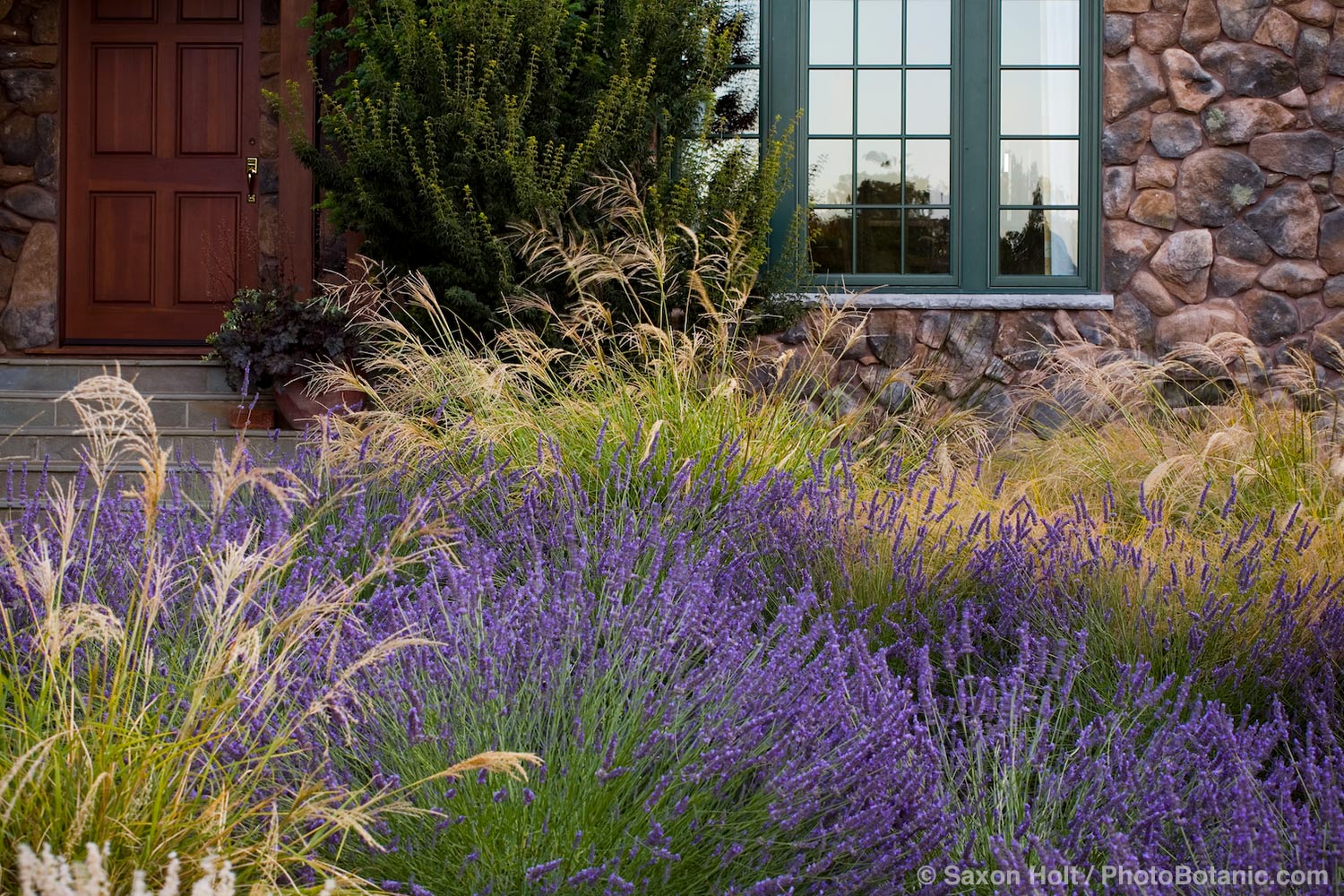
Water saving yard – Front yard meadow garden with lavender and ornamental grass ; design Maile Arnold
This is much more than a contest. It is a way to help other gardeners with inspiring photos. The EPA only awards two prizes – publishing the winners for the world to see. But I will add a prize for our readers – a DVD searchable database of Plants for Summer-Dry Gardens.

This is the database of photos used in the Plants and Landscape for Summer-Dry Climates book and are all landscape examples of plants used in summer-dry (mostly California) gardens. What is particularly useful about these photos, and the EPA contest photos, is they show real gardens. We all want other gardeners to have success, and photos are the best way to prove water saving yards can be beautiful.
So please do contribute your own best example of a water saving yard. I will. But I can’t decide which one.
Should I stay true to my California focus and show a rustic back yard with no lawn and native plants?
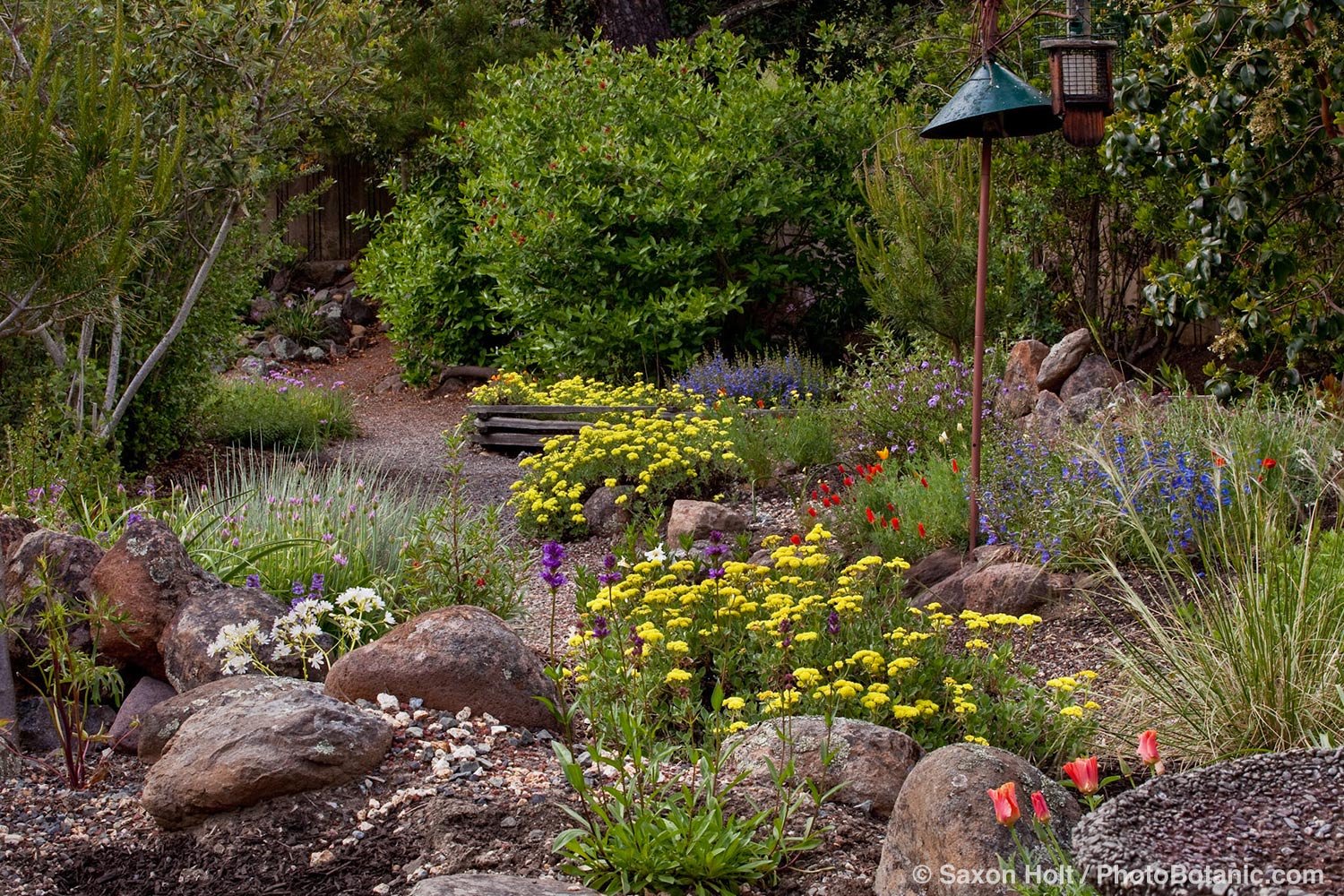
California native plant backyard garden design; Al Kyte
Or this front yard lawn meadow in Santa Barbara?

Purple Needle grass, native grass meadow lawn substitute in summer-dry garden, Santa Barbara California
The rules of the contest are simple and begin with: “Participation is easy and open to anyone committed to saving water for future generations!” Gardens do have to be in the U.S. or Canada, but otherwise you can enter on the special Facebook page: FB (http://bit.ly/1Oi9UUS), or send your #WaterSavingYard photos by using the hashtag on Twitter or Instagram. You can even email your photo to them: watersavingyard@erg.com. Deadline is August 27th.
Then vote for your favorite by September 10th by Liking your other favorite (don’t vote for yourself) on the Contest Facebook page. One fan favorite and one selected by EPA will be featured in their future outreach materials and highlighted on their website. I hope it is one of our Gardening Gone Wild photographers.
For the Gardening Gone Wild prize, go to the Picture This Facebook page and attach the same picture in a comment to any of the announcements and reminders about the contest. As in our other contests, you can also add the link as a comment to this post, and I will make a gallery of all photos once all entries have been posted.
Here is another of my photos I am considering – the Willenberg garden in Minnesota uses no-mow meadow mix for lawns.

Lawn substitute, no mow fescue meadow, Minnesota garden
(I recently profiled the Willenberg garden at PhotoBotanic, free to members.)
Those of you who have your own blogs, please consider making your own post about the EPA contest. Link them back here with your own contest photo and I will add them to the Picture This contest page for you. This is useful outreach to promote water saving landscapes across the country.
I know from my own travels that my favorite gardens are those that save water by being adapted to the local conditions, often using native plants. Here is Melinda Taylor’s SITES® certified garden in Pennsylvania.

Stylophorum diphyllum – Celandine poppy in backyard water saving yard, Melinda Taylor garden.
And one of Larry Weiner’s meadows in Connecticut.

Front yard flowering meadow garden, Larry Weiner Design
In New Mexico, this Judith Philips design uses native grasses for water saving alternative lawns.
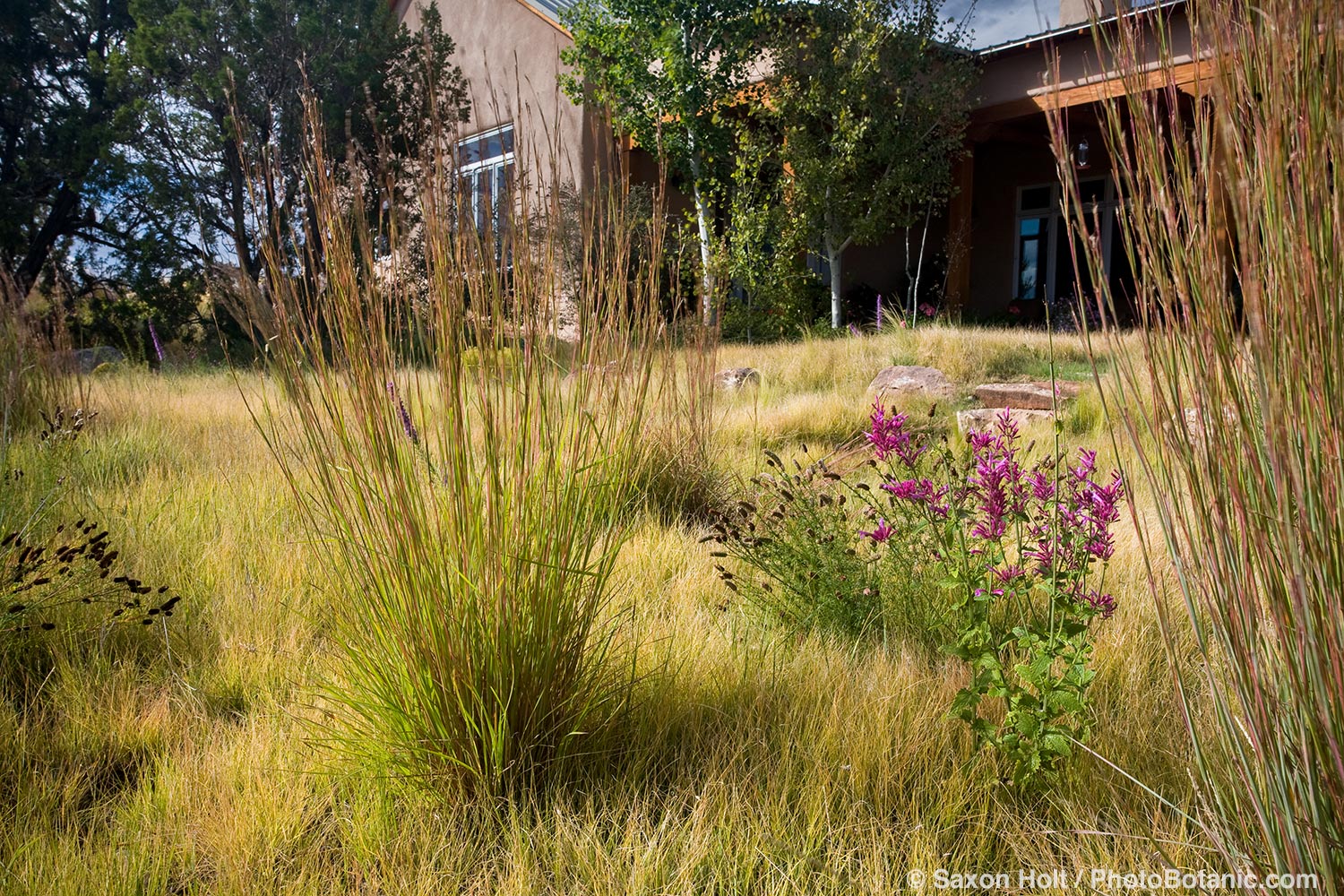
Little Bluestem grass flowering in a Buffalo grass sustainable lawn meadow garden, design by Judith Phillips
And David Salman, who started High Country Gardens, has his own magnificent Water Saving Yard.

David Salman xeric New Mexico rock garden
Back in California, this fine front yard in Santa Barbara, designed by Carol Bornstein, was recently used by the National Wildlife Federtation to illustrate native plant habitats can have curb appeal – and they are water savers.
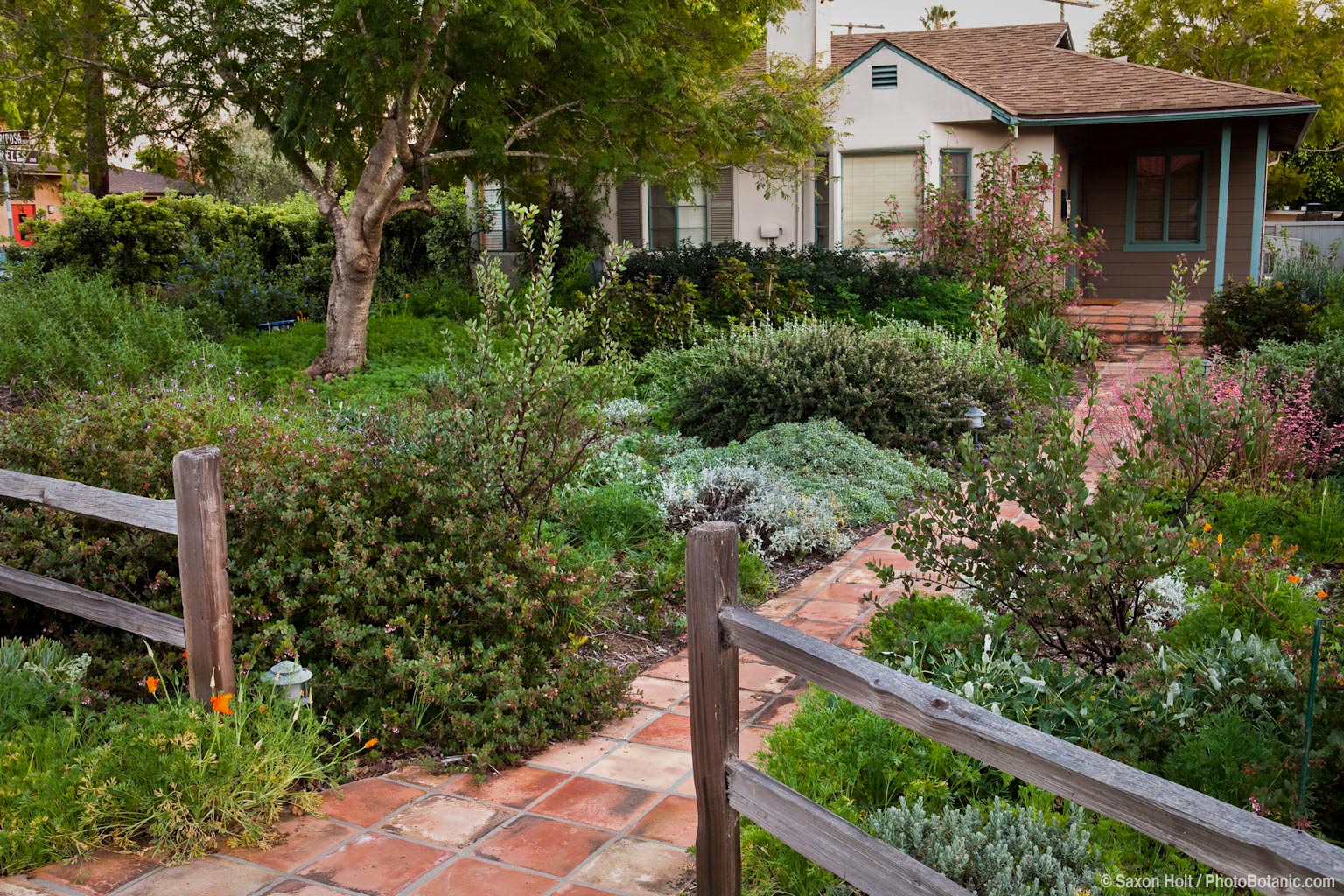
California native plant water saving garden by carol bornstein
Which of my photos should I submit ?
Now which of yours should you submit ? Don’t think of this simply as a competition, but a way to add your voice, your best water saving garden, to the collection of photos that will help others learn.
Enter on the Contest Facebook page.
from Gardening Gone Wild http://gardeninggonewild.com/?p=29007


No comments:
Post a Comment